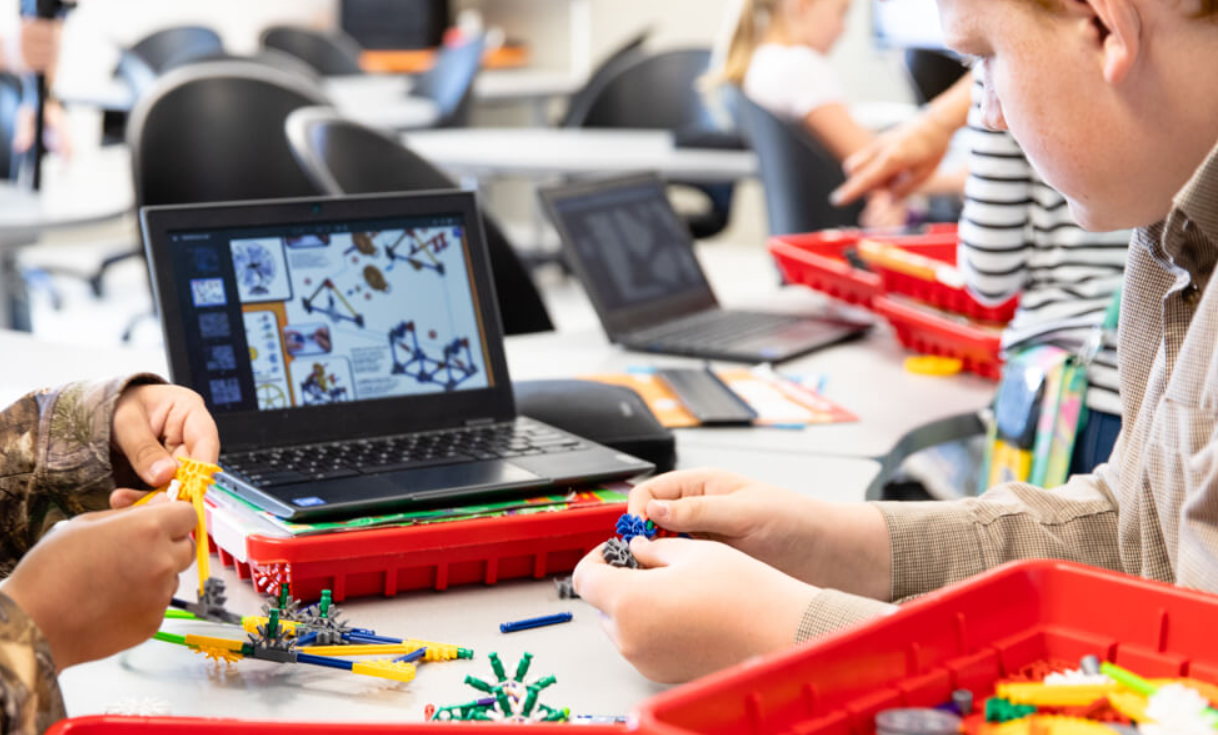
The integration of technology in education presents numerous advantages that enhance the learning experience. Interactive tools, such as gamified learning and virtual simulations, engage students more effectively. Additionally, technology offers vast resources and fosters personalized learning tailored to individual needs. Collaboration across borders broadens perspectives, yet this evolution raises questions about the balance between technology and traditional methods. How will these advancements shape the future of education?
Enhanced Engagement Through Interactive Learning
As technology continues to evolve, it increasingly transforms the educational landscape, fostering enhanced engagement through interactive learning.
Gamified learning and virtual simulations are pivotal in this shift, allowing students to immerse themselves in dynamic environments that stimulate critical thinking and creativity.
These tools not only motivate learners but also promote autonomy, enabling them to explore knowledge in a more engaging and liberating manner.
See also: Benefits of Healthcare Technology
Access to a Wealth of Information
Interactive learning tools not only enhance student engagement but also open the door to an expansive repository of information.
The integration of digital libraries revolutionizes information retrieval, providing learners with instant access to vast resources across diverse subjects.
This democratization of knowledge empowers students to explore topics freely, fostering independent inquiry and critical thinking, essential skills in an increasingly interconnected world.
Personalized Learning Experiences
While traditional education often adheres to a one-size-fits-all approach, the advent of technology has paved the way for personalized learning experiences that cater to individual student needs and learning styles.
Utilizing adaptive assessments, educators can identify specific strengths and weaknesses, providing individualized feedback that enhances learning outcomes.
This tailored approach fosters greater engagement, empowering students to take charge of their educational journeys.
Collaboration and Communication Across Borders
Technology has transformed the landscape of education by enabling seamless collaboration and communication across borders, which fosters a global learning environment.
This evolution facilitates virtual teamwork, allowing students and educators to engage in projects with peers worldwide. Such interactions cultivate global partnerships, enriching perspectives and enhancing problem-solving skills.
Ultimately, technology empowers learners to break geographical barriers, creating a more interconnected educational experience.
Conclusion
In the garden of education, technology serves as the sunlight nurturing each unique flower. Through interactive learning, a plethora of information, personalized experiences, and global collaboration, students blossom into independent thinkers. Just as diverse species thrive in a harmonious ecosystem, so too do learners flourish in this interconnected landscape. Embracing these technological tools cultivates a rich tapestry of knowledge, creativity, and critical thinking, ensuring that the seeds of curiosity planted today will yield vibrant futures tomorrow.